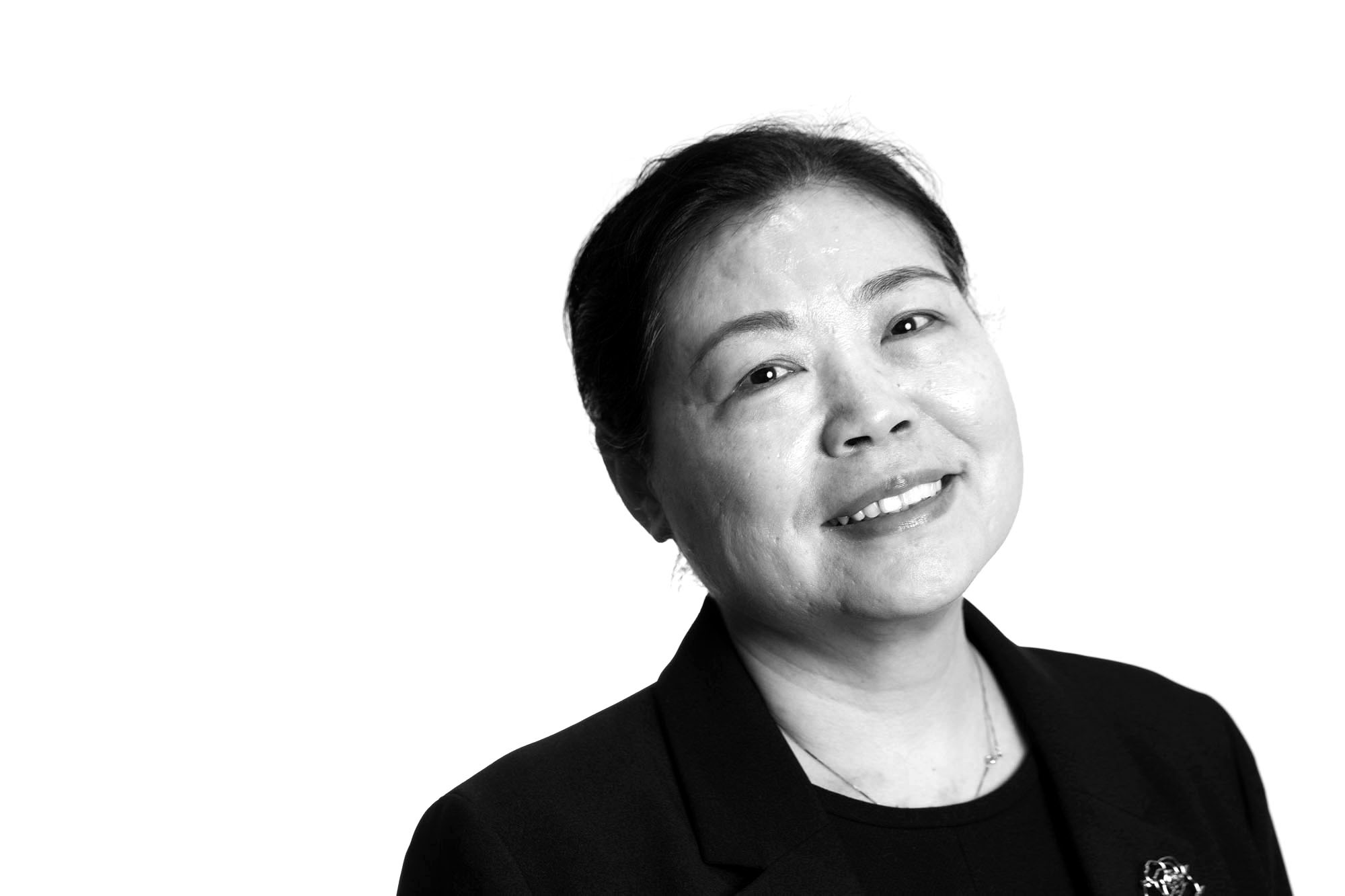
Born and bred in Henan, China, MIAO Lan moved to Singapore at the age of 41 to begin a second chapter of her nursing career and life. Despite facing many obstacles, including objections from her loved ones, a language barrier and a very different working culture, she did well in her career and earned a specialist diploma in palliative care nursing. She became a Singapore citizen in 2018.
Let’s start with your childhood. What do you remember?
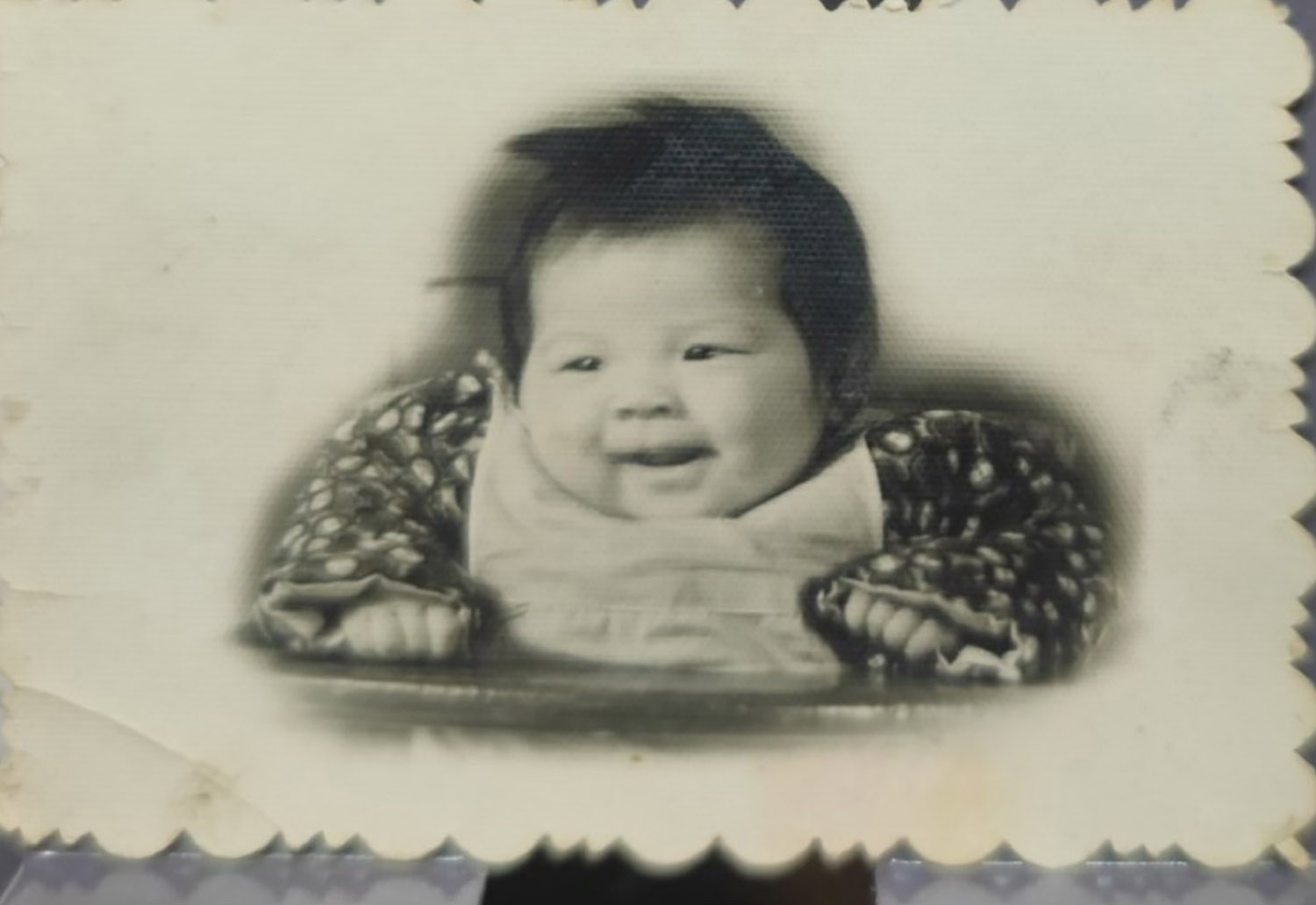
My memories before I was four years old are very vague. I don’t remember much.
But I remember many things about my life from the time I was four years old.
I’ll talk about my father first.
Please go ahead.
My father started working when he was about 16.
He worked his whole life for different departments in the Zhengzhou Railway Bureau.(It became the China Railway Zhengzhou Group.)
His started at the bureau central hospital and we lived in housing provided by the hospital. It was considered natural for family members to work in the same place.
Although he started in the rank and file, he rose eventually to a managerial position.
Zhengzhou is in Henan?
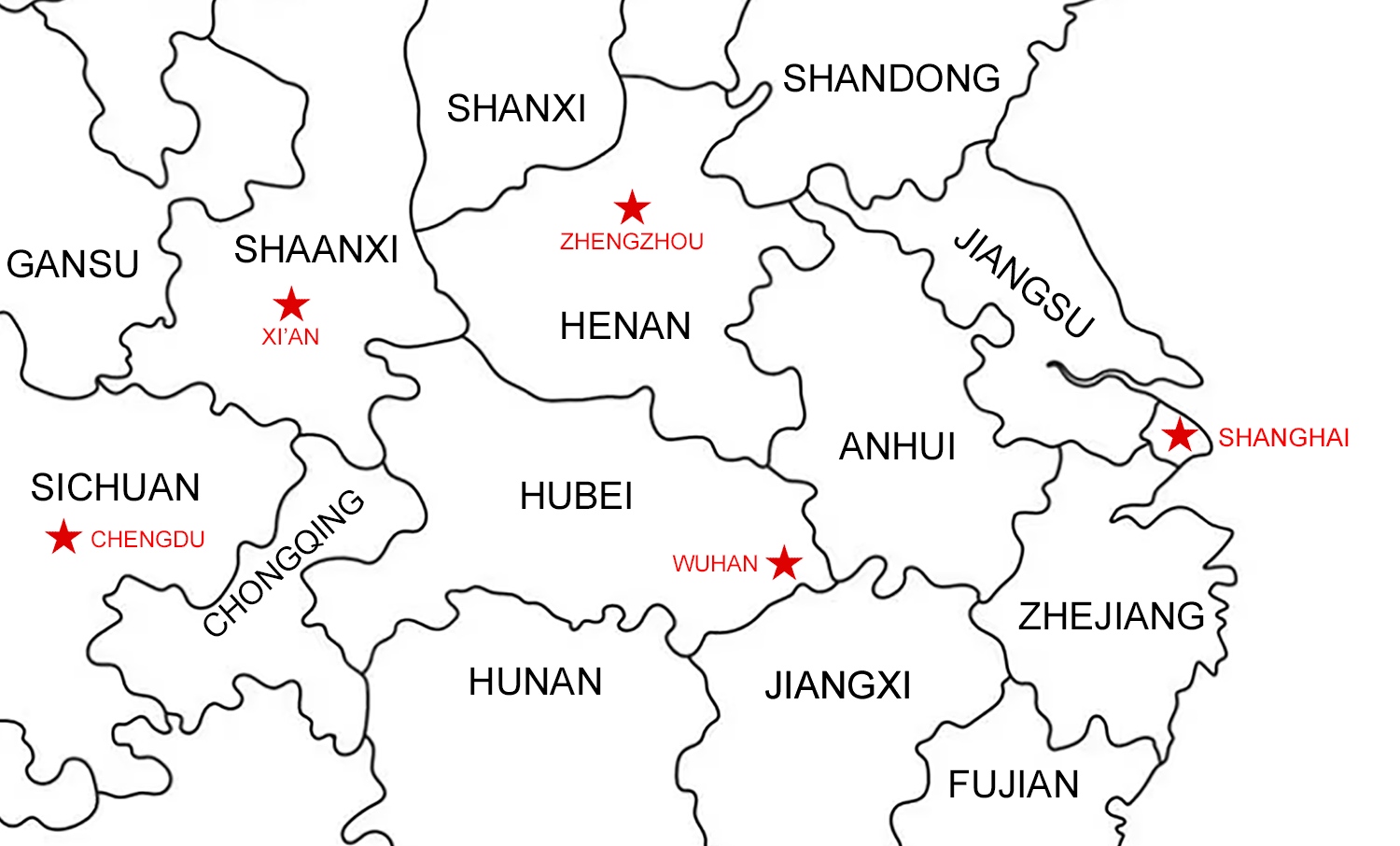
Yes, that’s correct. My family is from Zhengzhou, capital of Henan province.
Is he still around?
No, he passed away when he was 76, in 2012.
How about your mom?
She passed away three years after my dad. She was 79.
Was she also from Zhengzhou?
My mother was also from Henan but not Zhengzhou. She came from a small town in Tangyin County(汤阴县), which is about 170km north of Zhengzhou.
"My parents were introduced to each other by their parents."
How did your parents meet?
My mom told me that their parents’ families were old neighbours and had known each other for a very long time.
But there was a period when my mother and her family lived in Xi’an, capital of Shaanxi province. During the Japanese occupation, her family fled Henan and ended up in Xi’an.
My parents were introduced to each other by their parents.
And your mother went back to Zhengzhou eventually?
That’s correct.
Did your mother work?
My mother was a draughtswoman at the railway bureau. She was also very interested in calligraphy.
Were your parents educated?
Yes, they were, but perhaps only up to middle school. They were rather cultured.
What else do you remember?
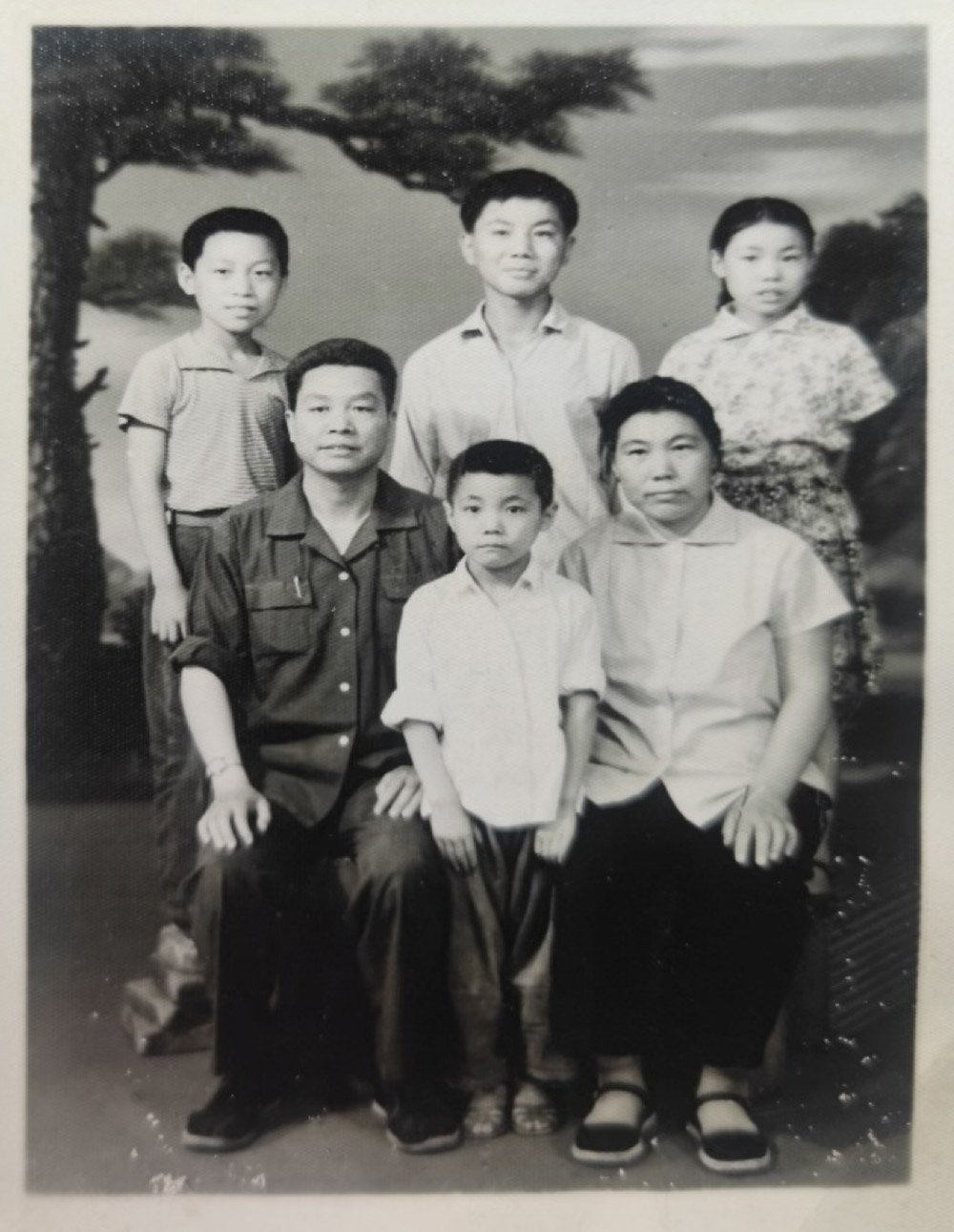
When I was about four, my parents had a difficult time taking care of me because they had four children.
I have two older brothers and a younger brother. Our age gap is about three years.
To lessen the load on my parents, I was sent away to live with my maternal grandparents in Xi’an.
It was memorable because it was my first time riding a train. The journey from Zhengzhou to Xi’an was 500 km and it took at least six hours back then. We did not have high speed rail in those days.
Was Zhengzhou considered a small town?
It was a small city then but since 2017, Zhengzhou has been referred to as a new first-tier city. It is the capital of Henan province.
What do you remember most about your four years in Xi’an?
Everyone knows about the terracotta warriors, but Xi’an is also well-known for steles and stone sculptures.
My grandparents’ house was near the Beilin Museum (西安碑林) or Stele Forest. They often took me there to look at the giant steles.
What are steles?
Steles are upright stone slabs or pillars which are often inscribed or carved with beautiful calligraphy. They were used mainly to commemorate rulers and military victories.
As a kid, my dream was to be able to read all the calligraphy in Beilin and fully understand the deeper meaning. The calligraphy was written in traditional Chinese and various calligraphic styles and therefore not easy for me to grasp.
My grandfather was a self-taught architect and designer. Even without formal education, he knew a lot about calligraphy and that really inspired me.
"My grandfather was a self-taught architect and designer. Even without formal education, he knew a lot about calligraphy and that really inspired me."
What else do you recall?
We also frequented the Xingqing Palace Park (兴庆宫公园), where we enjoyed many Chinese opera performances.
Can we say that your grandfather had a big influence on you?
Some of my fondest childhood memories are of my time with him in Xi’an. So in a way, you can say that.
How long did you live in Xi’an?
I lived there for four years, starting when I was four years old.
I went back to live with my parents in Zhengzhou when I started elementary school.
My parents believed that it was crucial for them to be with me when I started school.
Was it also because their financial situation had improved by that time?
I would not say so. We were always a middle-class family. My parents’ financial situation was not the best. Neither was it the worst.
What was it like to spend those early years with your grandparents?
Compared to my parents, my grandparents were much more relaxed.
For instance, they didn’t interfere when I tried to climb and walk the city walls in Xi’an. I could run around freely without getting scolded.
The city walls were an important part of our lives. We didn’t have electric fans at home so on some nights, to escape the heat, we slept outdoors, near the walls.
We had a lot of fun. Those are happy memories.
How high are the city walls?
I think they are about 12 meters high, and they go around for about 15km.
Did you make any friends in Xi’an?
My grandparents lived in housing provided by grandpa’s employers, and he had a lot of friends. Quite naturally, I also became friendly with his friends’ children and grandchildren. I had some cousins there too.
There was an incident that I will never forget — I “lost” my cousin when I was looking after him.
How did you lose him?
I was about seven and I was watching over my aunt’s two sons who were one or two years younger than me.
They accompanied me when I went on an errand to buy milk. I was distracted for a moment and lost sight of one of my cousins.
I was so scared that I cried all the way home. It was the biggest blow in my early life.
Thankfully, we found him a week later.
What did you learn from that incident?
I learned that I needed to be more careful when I was given a responsibility. I learned that I have to stay focused in order to take care of others.
Do you think this has anything to do with you becoming a nurse?
I believe so. It dawned on me that I needed to take things more seriously.
Are you still in touch with your cousins?
Yes. They are living in the United States and are very successful in their careers.
So you completed all your education in Zhengzhou?
Yes but only up to upper secondary school.
I spoke with a Shaanxi accent when I first returned to Zhengzhou.
Although the teachers knew I was originally from Zhengzhou, they were initially worried that I could not fit into the local system.
Fortunately, I got my Henan accent back quickly and finished elementary and secondary school without any hiccups.
I lived and worked in Zhengzhou until I was 41, the year I moved to Singapore.
Zhengzhou was also where I got married and became a mom.
"I lived and worked in Zhengzhou until I was 41, the year I moved to Singapore."
Let’s talk about how you became a nurse.
My father had worked at the railway bureau hospital and it was natural for me to follow in his footsteps.
So it wasn’t really your choice?
My decision to become a nurse had more to do with my mother. It was her ambition. She did not get to fulfil it so you can say I realised her dream.
She was always telling me a nurse will never be unemployed.
Why didn’t she become a nurse?
I believe there were some family objections. There was a misconception that a nurse’s job was a dirty job that put one’s own health at risk.
Do you think financial stability was her main consideration?
I think the starting point was definitely to build a stable economic foundation. I don’t think we were thinking of more lofty reasons like caring for others.
Hang on, so this was right after high school. You did not further your studies, like go to college or university?
That is correct, at least not immediately. I attended a year of basic nursing training and joined the hospital after that.
Two years later, the hospital sponsored my diploma and part-time degree in nursing at Wuhan University in Hubei. I took three years to complete my courses.
Do you remember your first job at the hospital?
I started in the outpatient dental department in the hospital.
It was rather easy for me to land a job as a nurse. Family members were expected to work in the same unit as their parents.
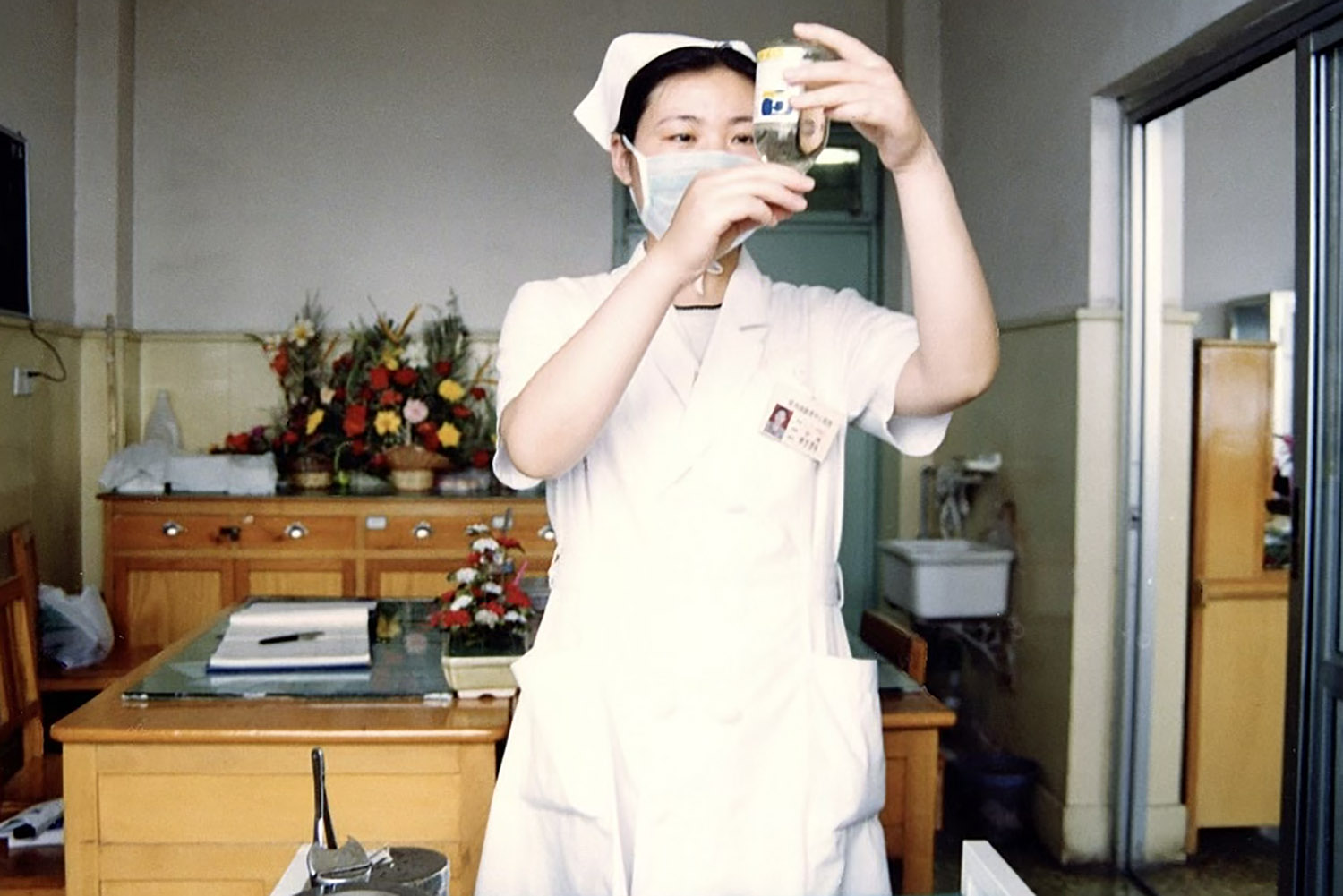
And how old were you when you started?
I was 19.
Did it cross your mind that as a nurse, there would be opportunities to work abroad?
To be honest, I didn’t think so far. It was all about having a stable income.
Before I forget, let’s talk about your three brothers.
I lost my second older brother when I was 27, not too long after my daughter was born. He was a military pilot and died during training. I understand he died while trying to save others. His courageous dedication has always been an inspiration to me.
Where is your oldest brother now?
He retired at the age of 60. He is 66 this year and still lives in Zhengzhou.
What about your younger brother?
He is also in Zhengzhou. He is 58, three years younger than me.
So you were the only one to leave Zhengzhou?
Yes. I do feel very special and different from others.

How did you meet your husband?
We met when we were working in the same hospital in Zhengzhou, when I was about 25. He was a dentist.
It was not love at first sight. Our colleagues thought we were compatible and encouraged us to get together.
Is your husband also from Zhengzhou?
He is from Henan but not Zhengzhou. He was posted to Zhengzhou after medical school.
He was also born in August 1965. His birthday is on the 14th. Mine is on 21st, so he is one week older than me.
"My husband was also born in August 1965. His birthday is on the 14th. Mine is on 21st, so he is one week older than me."
How long did you date before getting married?
About two years.
He is still in Zhengzhou?
Yes. He has just retired.
He visits me in Singapore. We see each other at least once a year.
Do you remember the first time you learnt about Singapore?
I was about 9 or 10.
My father believed in the importance of education and played an active role in teaching us.
He was a very good storyteller and loved to talk to us about everything, from historical folklore to geography.
We lived in a humble house. We did not have a television set. Apart from beds, tables and chairs, the only other furniture in the house was a bookcase filled with books.
There were two maps on the walls. One was of China, the other was a world map.
He made an effort to introduce all of you to different places in the world?
Yes, he would talk about different cities and countries.
He said that apart from China, Singapore is a place where there are many Chinese people.
He told us that Singapore is south of China and 70% of its population are ethnically Chinese.
How did he know so much?
I believe he read widely and watched a lot of news bulletins on TV.
Do you think he was encouraging you to go to Singapore?
I doubt so. It was just one of his sharings.
What else did you know about Singapore?
Before coming here, my knowledge of Singapore was very superficial.
I knew of its reputation as a clean and developed city with a well-organised government. I read that it was very green. I knew it was one of the four dragons of Asia.
But I always had a good feeling about Singapore.
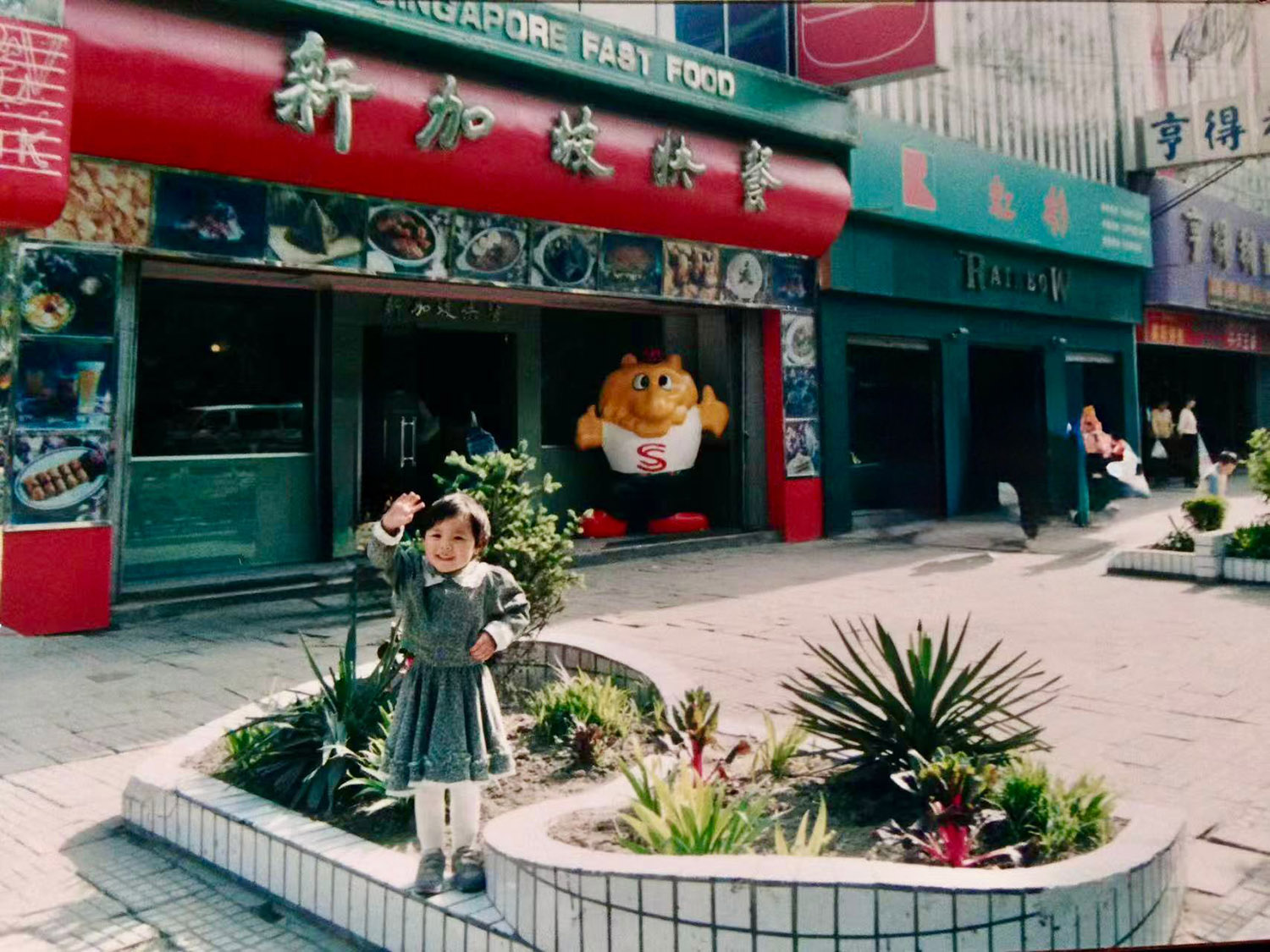
I remember when I was a young mother, I took my daughter to Xi’an to visit my grandmother and I came across a Singapore-operated restaurant. I was 30.
Without much thought, I just told my daughter, who was about 3, to stand next to the restaurant sign. I probably still have that picture somewhere at home.
In retrospect, maybe it was a sign that I would end up in Singapore.
"Before coming here, my knowledge of Singapore was very superficial."
Now tell me how you arrived at the decision to try nursing in Singapore.
I think my parents definitely played a big role. Growing up, my father was always singing praises about Singapore’s development.
I thought that it would be nice to have a chance to see this country for myself.
But I didn’t think of coming here to work. I just had a good impression.
Was your husband the first person you discussed your idea with?
Yes, and in my recollection, this happened after SARS, in December 2005.
When I found out that there was a recruitment drive for nurses to work in Singapore, I thought it might be a good idea for me to explore.
I remember asking him but also asking myself, “I should give it a try, right?”
Was there a middleman or recruitment agency involved?
Yes, it had to be done through an agency. Some of my former colleagues had also chosen the path and I was able to learn more from them.
Was the process easy?
Not for me. In fact it was very difficult.
I was 41 and they were looking for people below 40.
But I persevered and fought for myself. I remember I had to keep justifying why they should make an exception for me.
There were different levels to clear.
First, the agency needed to be convinced that I was worth their time and effort.
Then they had to persuade the Singapore recruitment companies to consider my case favourably.
Why do you think they agreed to employ you in the end?
They were probably impressed by my attitude and determination. They also accepted that being older also meant I had more work experience.
Did you have to pay a lot of money to the agent?
Yes and it was very expensive considering how low our income was in those days.
Do you remember how much it cost?
Around 26,000RMB, equivalent of around S$5,500 then.
The money came from your savings?
Not entirely. We also borrowed from our parents and siblings.
Apart from the agent’s fee, there were other expenses, including school fees. I had to attend classes for a year in Singapore when I first arrived.
Everything added up to quite a big amount.
"Apart from the agent fee, there were other expenses, including school fees. I had to attend classes for a year in Singapore when I first arrived."
I understand that some of your relatives were against the move. Was your husband the most vocal objector?
Actually the biggest objection came from my husband’s parents.
My husband also opposed it but I managed to persuade him in the end.
What was the main reason for the opposition? Were they worried that the family would be separated?
That for sure. They also felt that I had a stable job in China and I was moving up in rank.
They said, “Miao Lan, you’re already quite senior at your current work place, there’s no need to work so hard anymore. So why take the risk?”
The other issue was the big impact on the family, that we would have to live apart. They were also concerned about our daughter’s education.
How old was your daughter at that point?
When I was 41, Zhao Xuan was in junior high school, 14 years old.
How did you persuade your family?
My parents were always quite supportive of me. Once I managed to convince them, they helped to persuade the others.
It certainly helped that my eldest brother spent several years in Japan. It made my parents more open-minded about such things.
My dad had said that we should not be confined to China, that we had to broaden our horizons and see what the outside world was like.
"My dad had said that we should not be confined to China, that we had to broaden our horizons and see what the outside world was like."
What was your brother doing in Japan?
He studied cloth dyeing under a cultural exchange programme.
Because my brother had set a good example, my parents didn’t object when I broached the topic with them.
Were there any conditions when you had the discussion with your husband? Did you agree on things like how long you should be away for?
No, we did not discuss those issues.
I just said, “Let me go there first, let me try and see if I have the ability to do a good job first.”
Did you have any worries before you came?
I didn’t have too many worries. Leaving my family was the biggest concern.
I believed I still could learn new things. I didn’t want to miss this opportunity to challenge myself.
In those days, a 41-year-old woman leaving China wasn’t something that happened very often.
Not often at all. I doubt many people in my inner circle left China. I was probably the first.
Some of my friends also objected.
Many, especially my colleagues, couldn’t understand. They said, “You’re not young anymore.”
In fact some went as far as to describe my thinking as abnormal.
Do you regret your decision to move to Singapore?
No.
What was the hardest thing to adapt to after arriving?
Language was the biggest challenge.
Other than some English lessons in school, I hadn’t spoken English for over 20 years. To have to speak it again was really hard.
What is the key difference between working in China and Singapore?
The biggest difference lies in the fact that my work environment isn’t purely Chinese anymore.
In Singapore, I have to handle patients of different races and backgrounds.
"Other than some English lessons in school, I hadn't spoken English for over 20 years. To have to speak it again was really hard."
Let’s talk a bit more about you living in a multi-ethnic society.
There were certainly some funny incidents and misunderstandings at the beginning.
Although I am getting better at understanding English and simple Malay, the nuances are often lost on me and I need others to explain.
For instance, some patients will tell me things like, “Tak bolek, Sudah mati.” (The Malay phrase literally means “cannot fix, die already” )
Initially I took it literally and thought they wanted to die.
I realised after a while that what they really meant is “Okay, if I cannot be cured, never mind. I’ll just accept my fate.”
I think it is their way of saying “let nature take its course.”
After so many years, I am now also able to joke with them.
So now you can speak Chinese, English, and several dialects?
Occasionally, I understand what they’re saying but I still can’t speak Teochew or Cantonese.
Language aside, are there differences in work methods and processes?
For a start, policies and rules are a lot stricter in Singapore. They are also clearer.
You were already quite senior in rank when you arrived in Singapore. You had to start from scratch here. Did you feel resentful?
There was no resentment. I just accepted immediately that in order to fit in and survive, I had to accept that I was in a totally new environment.
Simply put, I had no time to think about the past.
Besides nursing, were you taking classes to improve your English?
Not really. It was all on the job.
I also had to pick up conversational Malay, Hokkien, Teochew and other dialects. Learning one language is already difficult, let alone so many.
I did attend, on my own, some classes in Malay and Hokkien.
Did you miss home, miss your daughter? Or you just did not have time to think about them?
I did not have time to think about them at all during work hours. I only felt rested after work, and that was usually around 10 pm.
Most of the time, I was also working at home.
Is HCA Hospice your first and only employer in Singapore?
No, my first job was at Ren Ci Community Hospital in Novena.
So when did you join HCA?
I joined HCA after three years at Ren Ci.
Again, I felt I needed to challenge myself to do different things.
There must be good reasons why you are still working in the same company after 15 years.
I feel comfortable in my work environment. My colleagues are friendly and they support me. The company is always looking for ways to upgrade our skills.
They have never viewed me as a foreigner. I have never felt discriminated against at work.
Recently, they sponsored my Specialist Diploma in Palliative Care Nursing (SDPCN) in Ngee Ann Polytechnic.
"I feel comfortable in my work environment. My colleagues are friendly and they support me. The company is always looking for ways to upgrade our skills."
Were you attending night classes after work or were you doing this on a fulltime basis?
The company kindly gave me a few days off each week to attend classes.
It must be nice to know that the company was willing to invest in you although you were already in your 50s.
Most certainly, it was not something that I expected. It came as a big surprise to me.
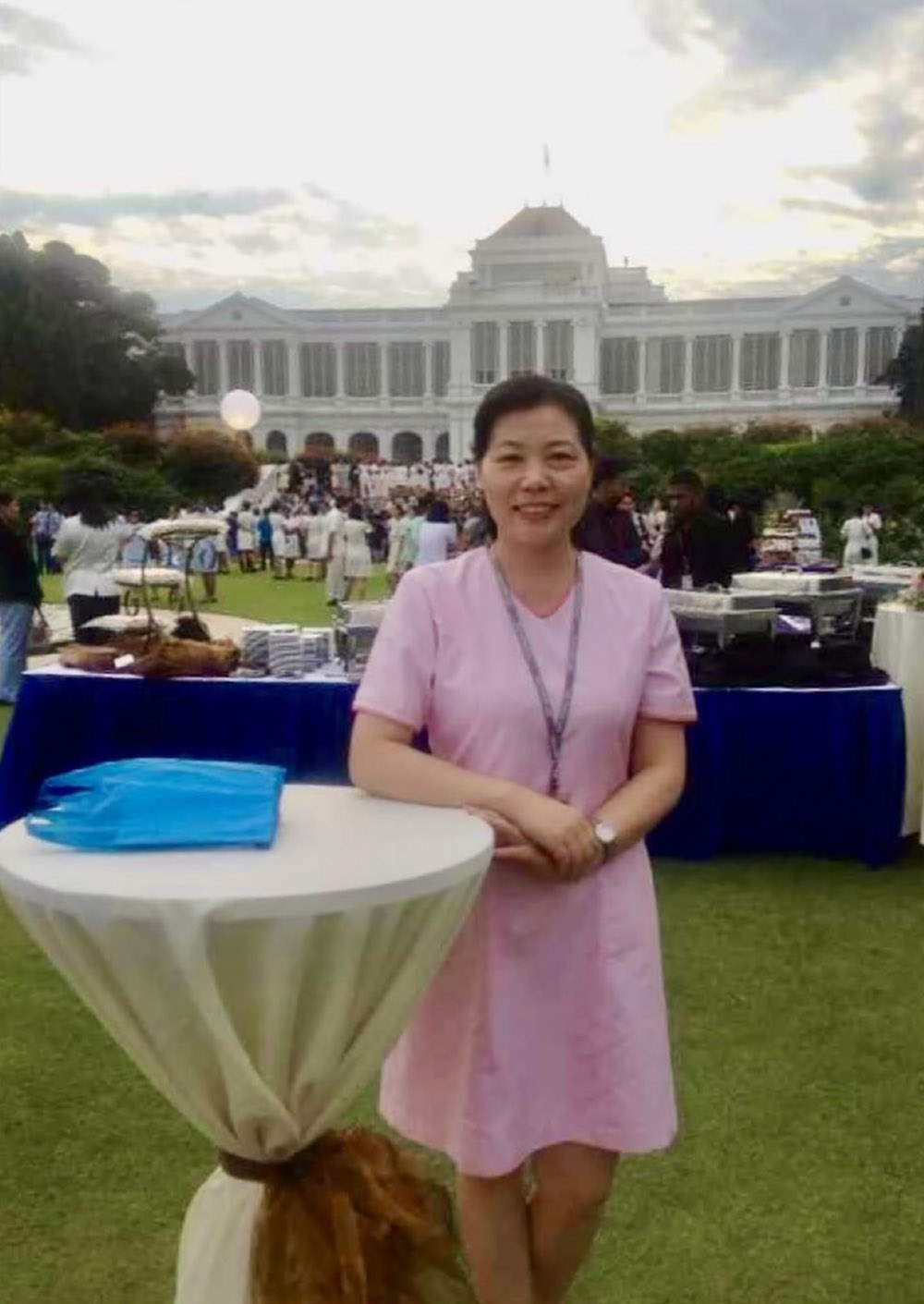
When I was close to 60, I was also promoted to nurse manager.
That, to me, means that my performance at work was recognised.
A lot of people say that there is less gender discrimination in Singapore work places compared to other countries. How about in China?
In my opinion, there is no significant gender discrimination in China. But different professions have different requirements and expectations and that could be mistaken as discrimination. So it always makes me feel very blessed that I am not discriminated against as an older woman.
Being a hospice nurse, you must have some unhappy experiences. What did you learn from them?
After taking care of a patient for a long period, it is natural to develop a connection. After all, humans are animals with feelings. The more you take care of a patient, the more emotional you will feel.
What do you feel when a patient departs?
I am sad. I often attend the wakes and funerals of our patients.
I can be emotional and cry. I am grieving with them. Family members of patients often confide in me. In the end, there are both tears of joy and tears of regret. I feel empathy for them.
When I express my feelings, they will think of me as a part of their family.
Can I say that this is one of the most rewarding things about your career?
I think the most fulfilling thing is that they recognise that you can really help them.
Many patients, particularly grandmothers and older uncles, don’t write you a thank you card. Or they don’t know how to.
But they will hug you. Or they will hold your hand. That kind of gratitude is from the bottom of their hearts. They want to express their love for you.
In those moments, I feel that everything is worth it.
"Many patients, particularly grandmothers and older uncles, don’t write you a thank you card. Or they don’t know how to. But they will hug you. Or they will hold your hand."
After so many years, do you get used to death? Do you cry often?
Yes, I do cry.
Death is not something you get used to.
I think the most beautiful thing about this job is that when you help a patient, you can lessen his pain.
When a patient’s family shares that the patient wants to meet someone important in their lives, I will try to make it happen. Sometimes it is as simple as a patient finally deciding to say what he couldn’t bring himself to say for a long time.
These are really simple joys for a nurse like me.
What do you do outside of work?
I spend time on myself. I might cook and share food with friends.
You don’t go shopping?
I do but rarely. Actually I think I don’t have enough time.
Do you bring work home?
Of course. There are always unfinished reports to write. Or just thinking through work problems that I need to solve.
In my line of work, I am learning new things every day. In such cases, it means I have to go online to read up, to improve my knowledge. Hopefully that will better prepare me if similar issues crop up in the future.
Have you managed to make good friends?
There are a few, and I have good colleagues. I do socialise but sparingly.
When did you get Singapore permanent residency?
I applied after one year in Singapore and I was successful on my first attempt. I think there was an acute shortage of nurses post-SARS.
Did you need company sponsorship?
No. I could apply on my own.
You decided to become a permanent resident after only one year?
Yes, I thought that since it was so difficult to come here, I should at least aim for a more stable working environment. I was also keen to improve my living conditions.
As a permanent resident, you had fewer restrictions?
Things became more convenient for sure. I didn’t have to worry as much about renewing my work visa. It was also easier for me to travel in and out of Singapore.
How did you stay in touch with your family after arriving in Singapore?
Phone calls were the main mode of communication. Back then, there were no video calls.
When you hear your daughter’s voice then, did you feel that you had done something you shouldn’t have?
No, but sometimes my daughter complained that I wasn’t home, that she felt a lack of maternal love, and that only her father was there to take care of her.
I sometimes felt like I was missing out on my role as a mother.
"I sometimes felt like I was missing out on my role as a mother."
Tell us more about your journey as an immigrant.
It is not an easy thing and in my opinion, one needs to make sacrifices in order to assimilate and survive.
There were times when things got really difficult and I felt like giving up. There were certainly heartbreaking moments.
But I know I have worked hard to be where I am today.
Do you have any advice for anyone trying to migrate?
It’s a good question.
Everyone’s journey will be unique but the first thing I would share is to learn how to be independent.
I think knowing how to look after myself and being able to pick myself up when things are down, these are my biggest personal achievements.
It’s funny that you talk about learning independence in your 40s. This is usually something we tell people in their teens or 20s.
When you are far away from your family and loved ones, you have to learn independence.
"When you are far away from your family and loved ones, you have to learn independence."
There must be moments when you feel lonely.
Of course.
How do you deal with that?
I read. I go to the library. Or I go for walks, either alone or with friends.
Was there a lot you had to consider before you decided to become a Singaporean in 2018?
I had to think through a lot. I think every decision in life requires careful consideration, especially when it comes to big issues like changing my citizenship.
And after being away from China for so long, I worry that I wouldn’t be able to adapt if I were to return to China.
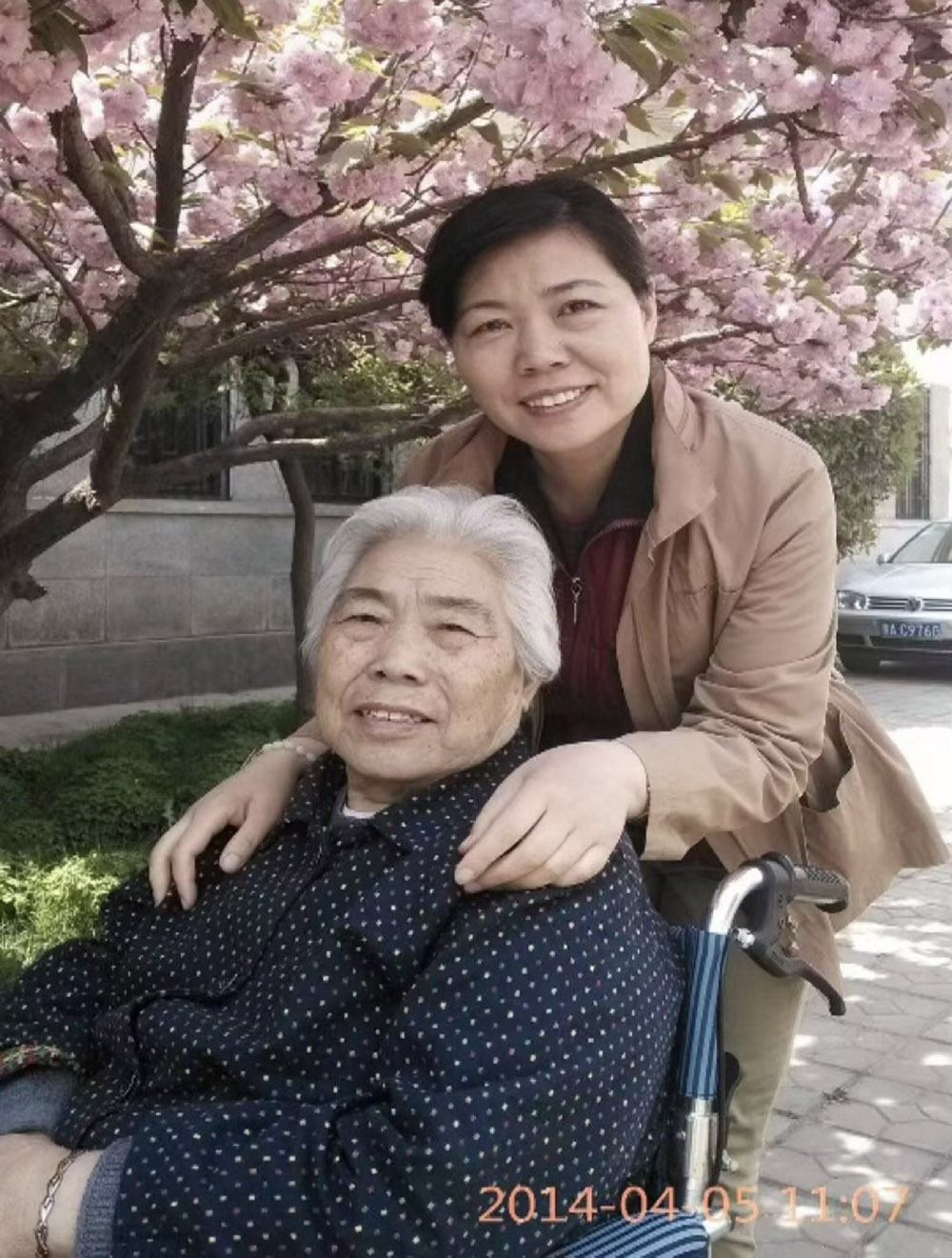
But I went back to take care of my mother for a year, from 2014 to 2015. My mother had cancer, so I resigned from my job.
The company didn’t really want me to leave.
Because you were a good employee they didn’t want to lose?
I wouldn’t say I’m important because everyone is important. It’s just that at that time, there was a severe shortage of nurses.
But the company understood my family’s situation.
They knew that I had missed the chance to spend more time with my dad before he died. They knew that I didn’t want to regret missing the chance to take care of my mom.
So you managed to spend precious time with her before she passed away?
Yes. But I came back to work in Singapore after 12 months in China.
When her condition deteriorated, I went back to take care of her for another month or two, until the very end.
You have been a Singaporean for eight years. Can we describe you as a typical Singaporean?
I didn’t strive specifically to be a typical Singaporean. It just happened naturally.
After living here for two decades, my habits are gradually influenced by my surroundings and the people around me.
You develop habits like prioritising efficiency, obeying the law and adapting to the local culture and environment, including the way people speak.
Yes, in such a democratic and culturally diverse environment, I gradually got used to it, including my choices of food.
I have become accustomed to the local cuisine, which I hadn’t experienced before coming here.
"I didn't strive specifically to be a typical Singaporean. It just happened naturally."
Now you don’t just eat Chinese food, you eat everything?
Basically, everything.
What’s your favourite food?
Fried kway teow and fish head noodles.
If someone calls you a typical Singaporean, will you feel proud?
I would like to think that this is an affirmation that after living here for over 20 years, I am accepted.
I sometimes feel quite proud about this.
You are living in your own HDB flat. You are really a Singaporean now.
Yes, I bought a three-room flat. I think given that it will be mainly my husband and me, I don’t need anything larger.
When did you buy it?
I bought it half a year after I became a Singaporean.
Did you have many expectations when you first moved here 20 years ago?
Most definitely not. To be able to settle in a new country and flourish, it is such a wonderful feeling.
Do you remember the day you became a Singaporean in 2018? Did your relatives or friends attend the ceremony?
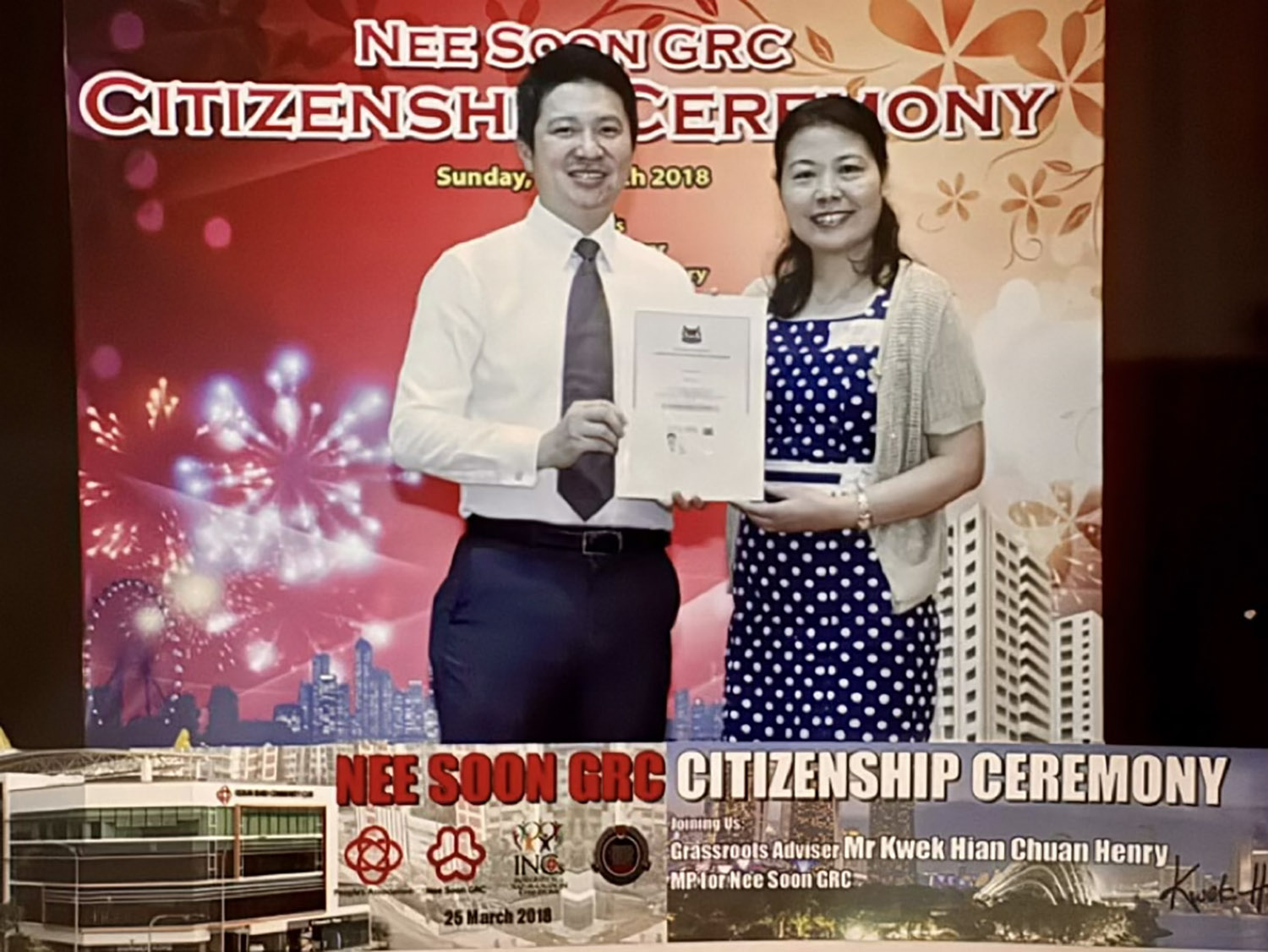
I became a Singaporean on 25 March 2018.
My biggest regret is that my family was not at the ceremony. Only my best friend, who is also from China, accompanied me.
Is she also your colleague?
Yes, she is also a nurse and we were classmates. When I first came to Singapore, I went to school for a year.
Did you cry at the ceremony?
Yes. I have photos but no video.
It felt so special that I asked the guest of honour if I could take a photo with him.
Although my family could not come to the ceremony, I wanted to share my special moment with them.
You have been here for 20 years. Do you still know which part of you is Singaporean and which part is Chinese?
Maybe in some aspects, I am a lot more Singaporean.
Recently, my husband and I had a disagreement over how I should address my coworkers.
He knows that I call my colleagues in Singapore by their names and to him, that’s rude and disrespectful. I keep telling him that in Singapore, people are more casual.
He also wishes that I do not address his siblings by their names. He wants me to add a salutation like jie 姐 (sister) or ge 哥 (brother) to their names, the way it is done in China.
My daughter thinks the same way as me because she has been to Singapore and lives in Australia.
So we have different views but the disagreements are not too intense. At least we are not arguing about politics.
"Maybe in some aspects, I am a lot more Singaporean."
Every Singaporean has his own complaints. What are you most dissatisfied with?
I haven’t found anything I’m dissatisfied with yet.
I feel that the welfare benefits for citizens are very good, especially after I started this job.
I also feel that poorer patients are not neglected by the government.
Is the cost of living too high?
The cost of living is increasing, but I still have a job, so I feel that I can still cope.
Have you tried to persuade your husband to move here?
Yes, yes.
But he isn’t convinced?
It’s not that he doesn’t listen. My husband actually has a lot of feelings for Singapore.
He has said that he hopes to come here after retirement.
He has just retired, so hopefully, he will be planning more and longer trips to Singapore soon.
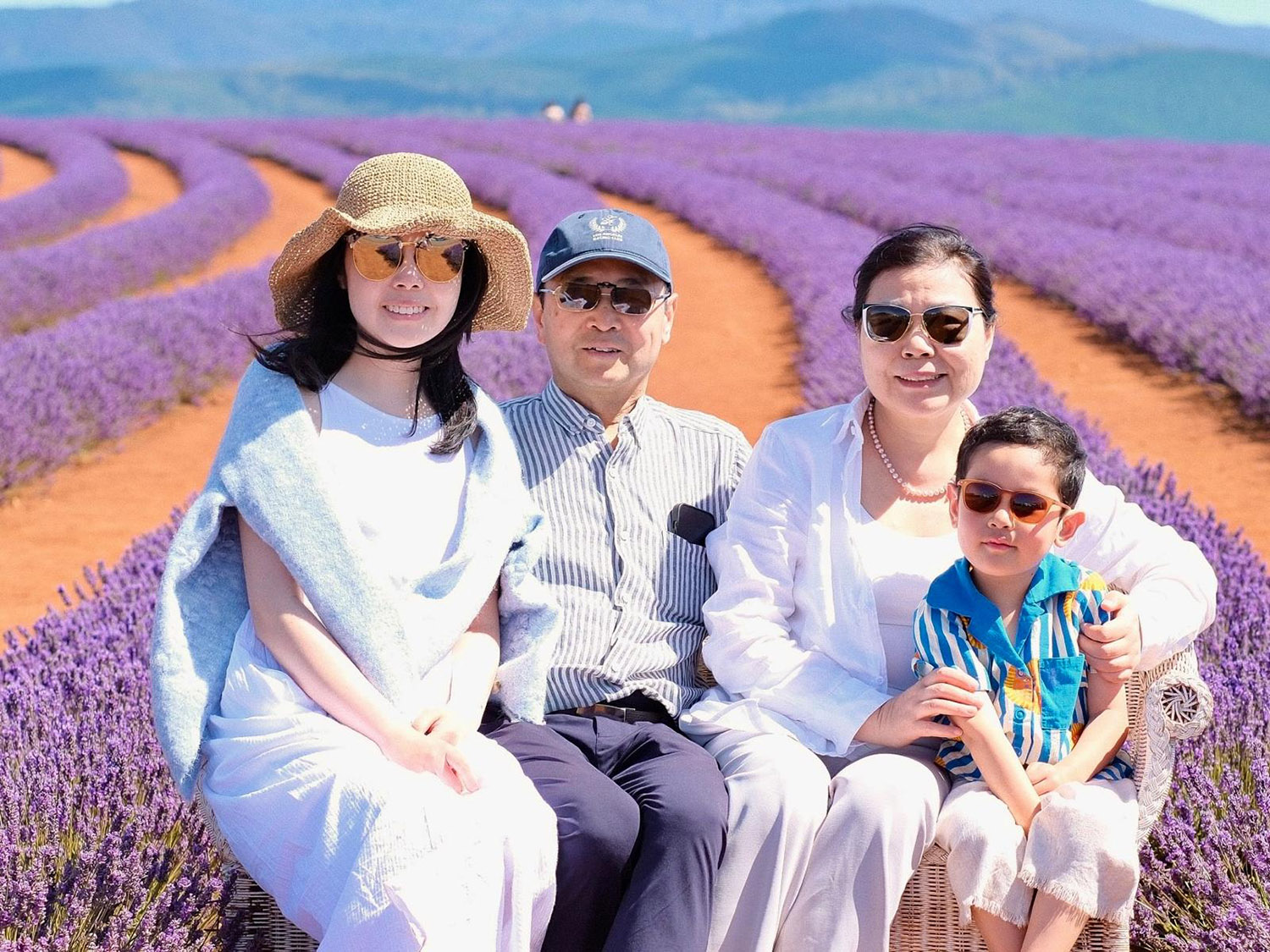
Is your daughter in Australia?
She lives in Australia with her husband and their son. She met him at university there. He was also an immigrant from China.
My daughter is 34 now and our grandson is five. I just met the baby in person for the first time recently.
You and your husband were able to send her abroad to study?
It was mostly credit to my husband, because I don’t earn that much money. It was my husband who supported my daughter’s education.
What does your son-in-law do?
He’s a personal trainer.
What about your daughter?
My daughter is an educator.
Your family is spread across three locations. Has it been worth the sacrifice? Will you all live together someday?
I called it Three Kingdoms.
This has been a very difficult arrangement for all of us.
And honestly, I don’t know how likely it is for all of us to live in the same city.
It is probably possible for my husband and me.
I’ve always dreamed of the day we can all be together.
The China you left in 2006 is quite different from the China today. Many people might say that China is more developed than Singapore in some aspects now.
I’ve been told that.
Whenever I go back to China, I feel like I have fallen behind.
I really don’t know how to use digital platforms.
Nobody brings a wallet out any more. Everywhere is cashless.
In that aspect, China is very advanced.
Do you visit China often?
It depends on the situation. During the pandemic, I didn’t go back to China for about four or five years.
"I am still in awe that people from different ethnic backgrounds can live together harmoniously."
How would you introduce Singapore to your friends and relatives in China?
The Singapore I know now is different from the one I knew when I first came here.
I have come to understand it from a different perspective, because I live here now.
Singapore is my second home.
I am still in awe that people from different ethnic backgrounds can live together harmoniously.
It’s not an exaggeration to say that you also grew up with Singapore.
When I first learned that independent Singapore is the same age as me, I was really surprised and delighted.
It seems that Singapore and I have grown up in different ways. Perhaps in some ways we are connected.
Did you ever think there was some kind of fate involved?
Yes, I think there definitely is some kind of fate involved.
Actually, from the moment I found out that Singapore and I were born in August 1965, I felt that it was a very magical thing.
What do you think you and Singapore have in common?
I think we both started from scratch and developed little by little.
The whole process is from weak to strong, from ignorance to learning a lot, and being able to serve others.
Just like this country, which broke free from constraints to build an independent nation. We started from a very weak place, but the goal is the same — to make ourselves better.
"I think we both started from scratch and developed little by little."
Have you thought about going back to China?
I haven’t thought about it much. I still have my job, which is worth doing.
I will probably think about it more when I am closer to retirement.
Have you thought of retirement?
Well it is something I will have to deal with in time to come, but at this moment, I am not planning to retire.
I do feel that it is about time I start slowing down. When that happens, I will dedicate more time to myself and my family.
So when will you think about it seriously?
I think 65 might be a good age. By then I would probably need to slow down or just retire completely.
And what would you do if you retire?
I doubt I will stop working completely. I think I will look for other opportunities to apply my knowledge.
Volunteering is an option. I like the idea of continuing to care for people.
What else are you considering?
I think I have enough experience and insights to teach or lecture. Palliative care is a growing concern in China. I believe my experience here can become valuable to my counterparts in China.
I don’t need to be paid. I will be happy to contribute. It would be an honour if I can help others.


